

Why did SEO for small business used to need a team?
A few years ago, if a small business wanted proper SEO for small business coverage, the honest answer was uncomfortable: you were usually behind before you started.
Not because SEO was mysterious. Because the work required people.
Someone had to pull keyword data. Someone had to read competitor pages. Someone had to decide which service pages were missing. Someone had to check technical issues. Someone had to look at the Google Business Profile, local citations, reviews, photos, categories, and city coverage. Someone had to turn all of that into a plan the business owner could understand.
For a small agency, that meant stretching across too many clients. For a business owner, it meant paying for a team or getting a thin version of the work.
That model is breaking down, but not because AI can write blog posts. That is the shallow version of the story. The real change is that the middle of the SEO process can now be turned into an agentic workflow: one system that remembers the rules, follows commands, uses skills, checks its own work, and hands a cleaner decision back to the person in charge.
What proof do we have from real SEO work?
I do not want to make this sound theoretical. The point of using AI agents in SEO is not to have a fancy internal system. The point is to help create better decisions and better outcomes for small businesses.
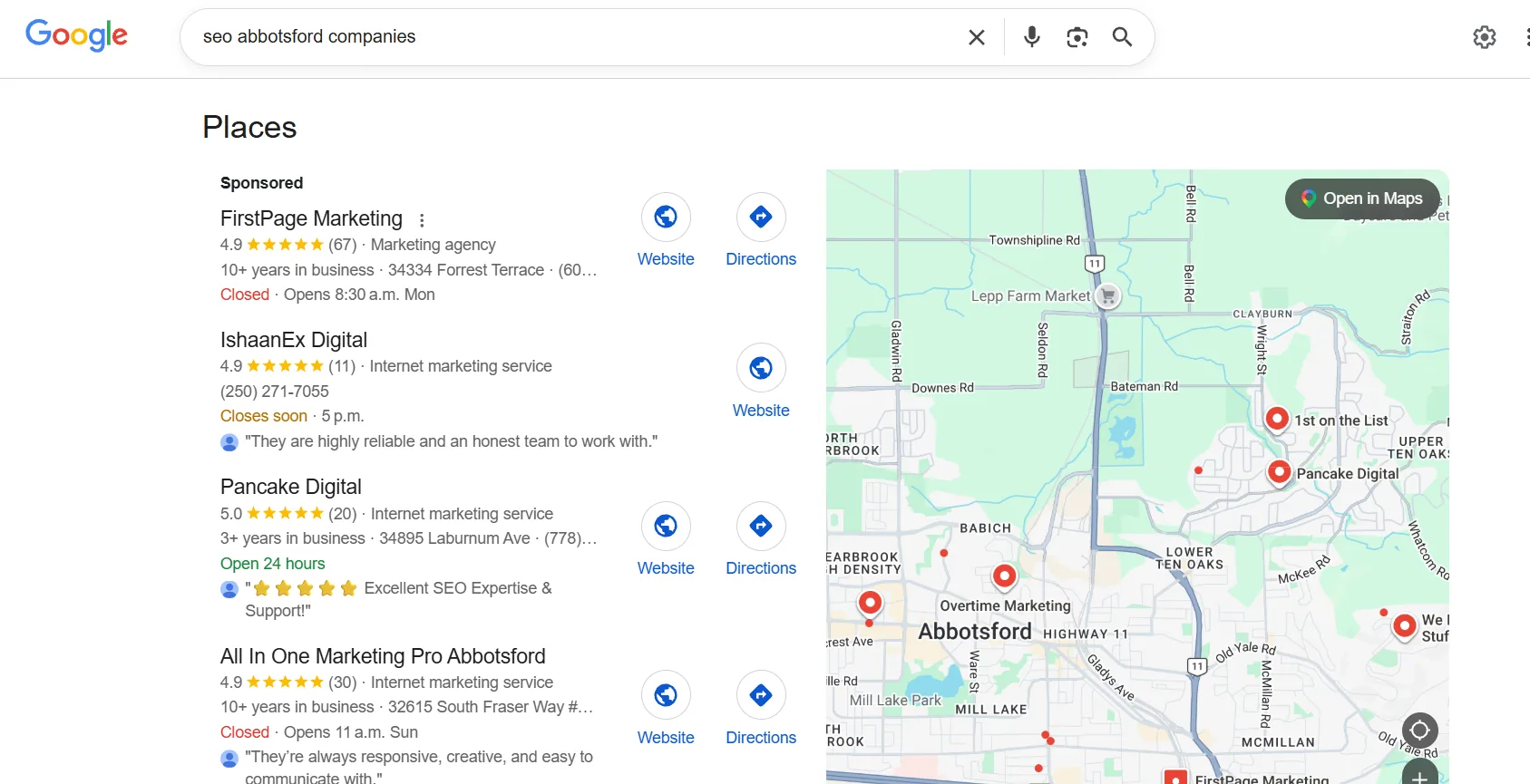
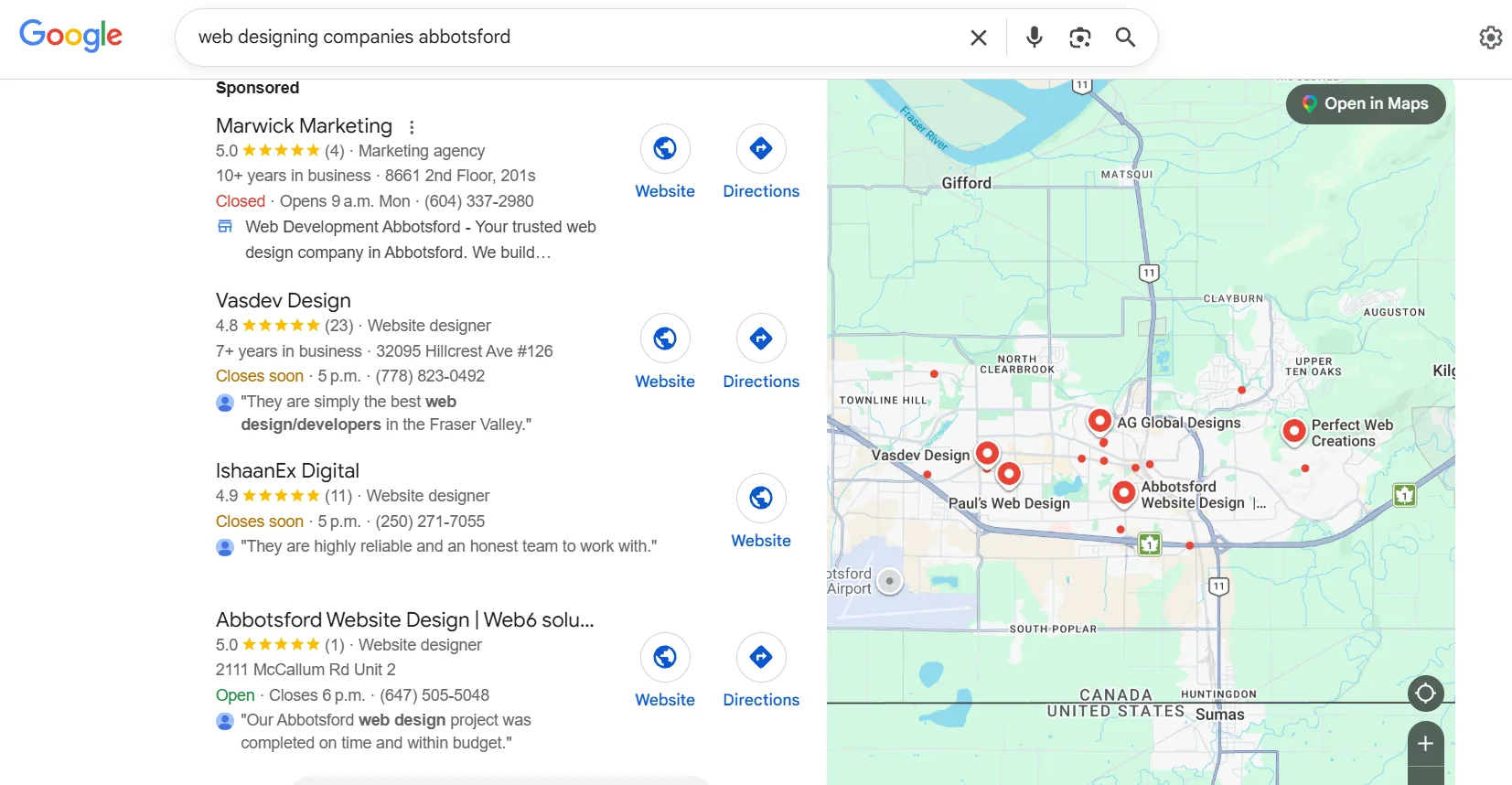
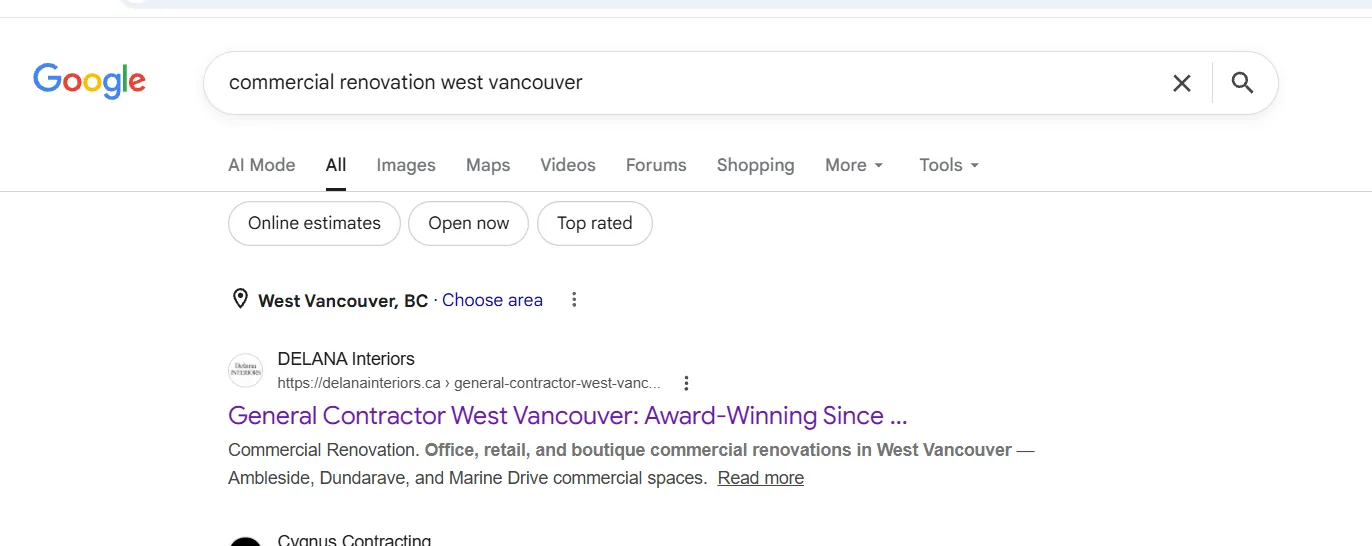
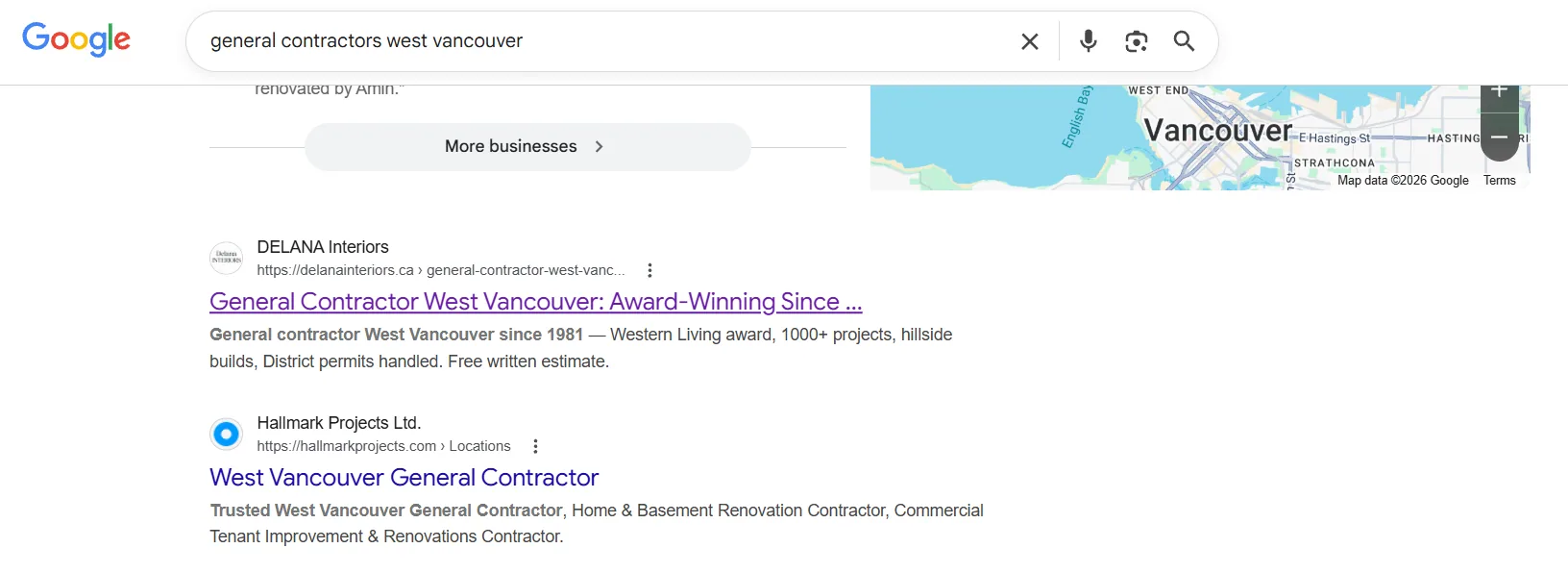
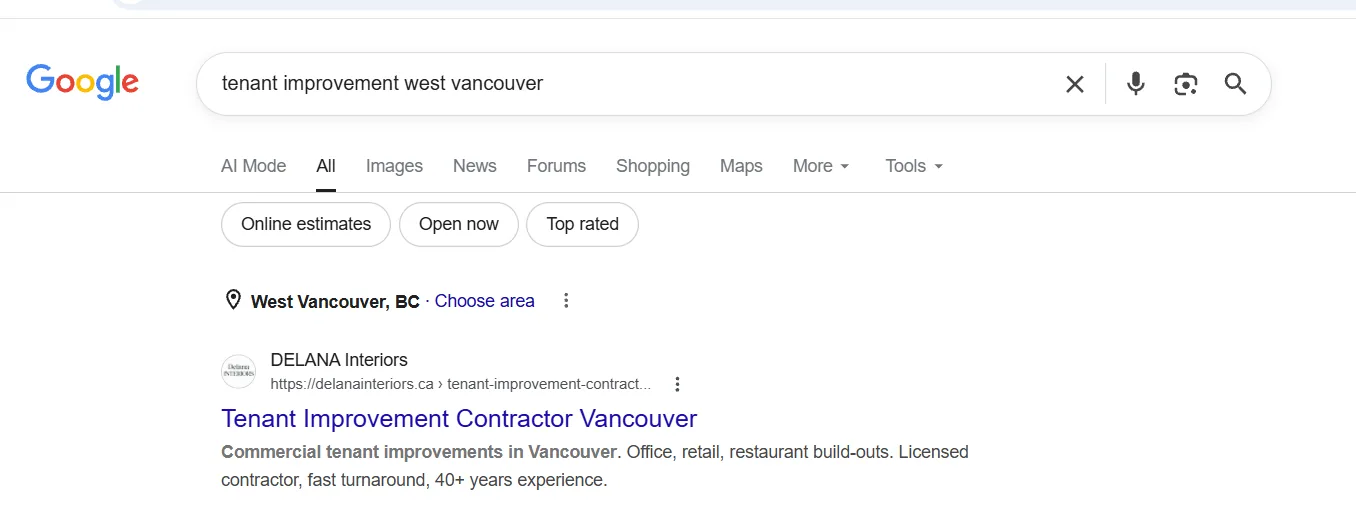
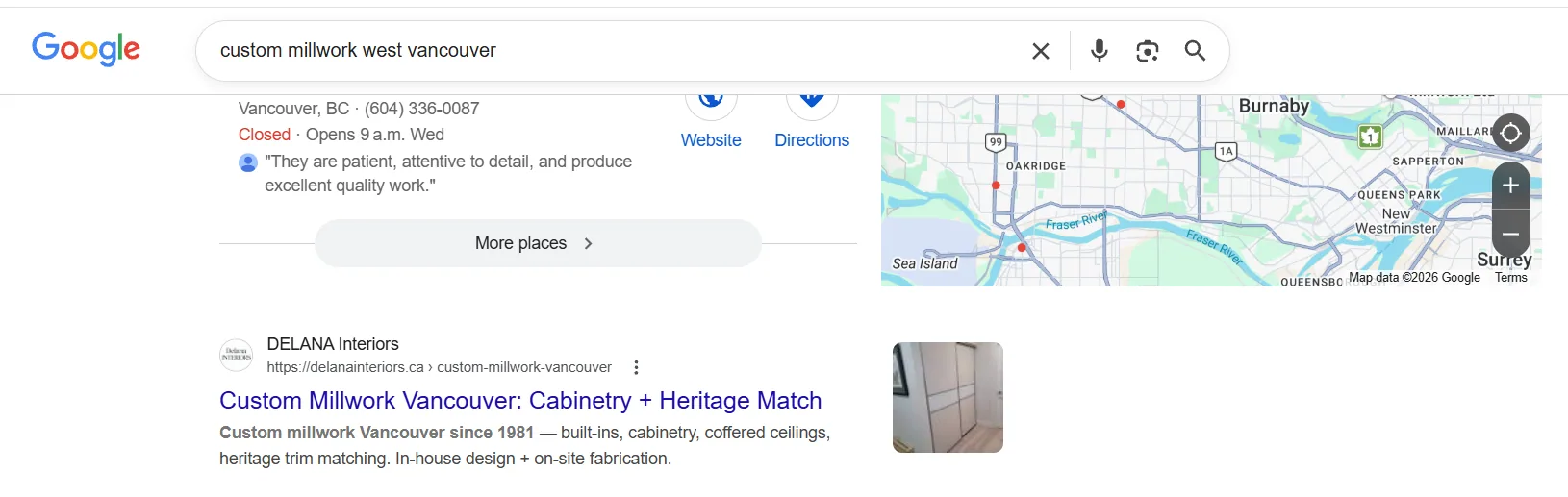
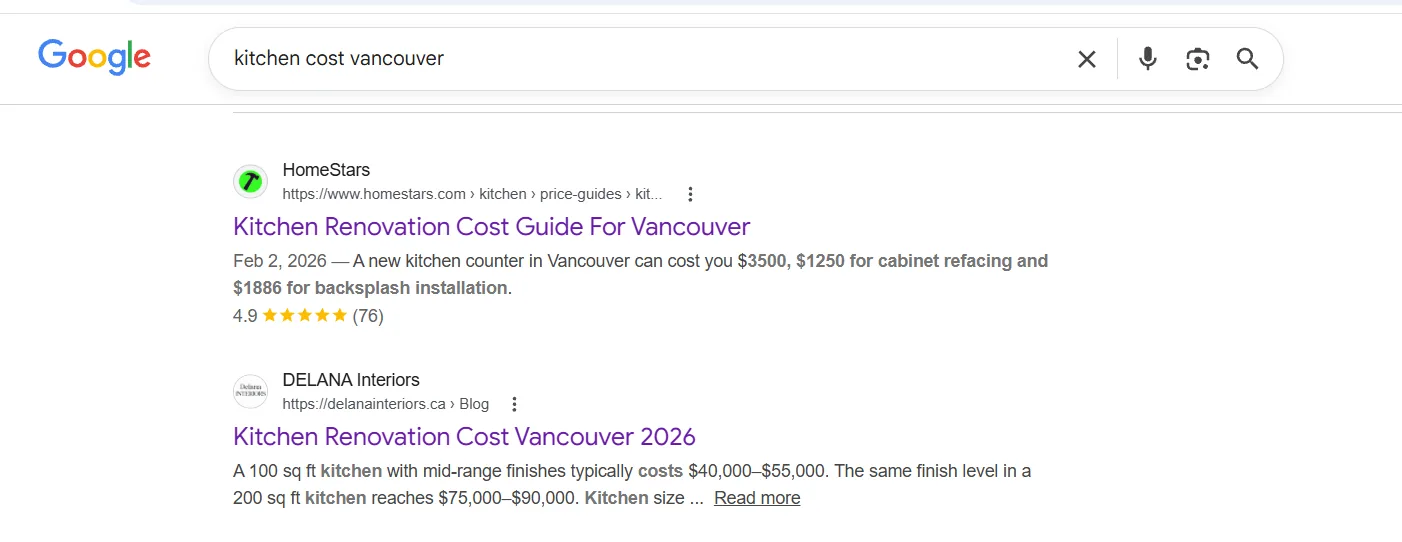
AI agents did not magically create these outcomes by themselves. The point is different: they help one person cover more of the research, gap-finding, page-checking, and proof-checking work that used to require several people moving through the same checklist by hand.
How does one AI agent cover work that used to need a team?
A basic chatbot waits for a prompt. A useful AI agent runs a job. It reads the business context, chooses the right skill, follows commands, checks its output, and records what it learned for the next run.
AI agent workflow
One agent can behave like a small SEO operations team
Researcher
Reads services, cities, competitors, existing pages, and search-intent notes.
Gap finder
Flags missing service pages, weak city coverage, thin proof, and internal-link gaps.
Page planner
Turns findings into briefs, page sections, FAQs, anchors, and proof requirements.
Verifier
Checks keywords, schema, links, brand rules, claims, and whether the page can be understood by AI search.
Human reviewer
Approves the strategy, proof, voice, and final publishing decision.
This is where SEO automation becomes useful for small business SEO. It is not an excuse to publish more pages. It is a way for a smaller AI automation agency to run the same serious process every time without hiring five people for repeat prep work.
For a local business, the same system can support SEO Abbotsford work, AI automation Abbotsford workflows, and the broader AI search optimisation layer that helps pages become easier for Google AI Overviews and other answer engines to understand.
What is under the hood of a real SEO AI agent?
The important part is not the model. The important part is the operating system around the model. I use the same idea described in my Hermes-style agent framework: an agent is only production-ready when it has memory, skills, lessons, checklists, templates, rubrics, safety rules, logs, and verification.
That matches how serious agent builders describe the work too. Anthropic's guide to building effective agents separates basic workflows from agents that can direct tool use, while Google's SEO Starter Guide still comes back to the same foundation: help search engines understand the content and help people make a good decision.
Commands
Reusable actions like build a page, run a local SEO check, prepare a content brief, or verify internal links.
Skills
Step-by-step methods the agent can load only when needed: keyword mapping, content gap review, schema checks, GBP checks, or humanizer review.
Memory files
Stable facts, brand rules, client context, known mistakes, and what the agent should remember next time.
Verification loop
Build checks, keyword checks, link checks, schema checks, design review, and a final self-critic pass before anything goes live.
The rule I use
If an agent is only a prompt, it is not a production agent. A production agent needs an operating loop. It needs to know what to read, what to write, what to verify, what to avoid, and how to improve after a mistake.
How do we train an SEO agent?
I do not start by saying, "Build me an agent." I start smaller. First I design a skill. Then I use the skill in real work. Then I tighten the examples, fix the mistakes, add checks, and only then turn the skill into part of an agentic system.
- Design the skill. Define the task, inputs, steps, output format, common mistakes, and verification checklist.
- Use it manually. Run the skill inside real SEO work until the weak spots show up.
- Improve the skill. Add examples, blocked behaviours, better rubrics, and the lessons from failed runs.
- Wrap it into an agent. Connect the skill to memory files, commands, templates, and project-specific rules.
- Verify every run. The agent must check its own output before a human reviewer even sees it.
This is why an AI SEO agent can become useful. It is not guessing from one prompt. It is following a trained process. For local SEO for small business, that means it can remember the service areas, compare competitors, check Google Business Profile proof, look for missing pages, and prepare a practical next-step list.
How would someone build one of these agents?
The short version is: build the files before you trust the agent. The agent needs an identity, scope, operating lifecycle, memory, lessons, skills, checklists, templates, rubrics, safety model, run log, and handoff format. That is the difference between a helpful teammate and a loose chat window.
Download guide
SEO agent workflow guide
A practical checklist based on my Hermes-style agent framework: the files, loops, and review gates I would use before trusting an SEO agent in production.
Where does human review still matter?
Human review is the difference between useful AI SEO and a pile of automated content. An agent can prepare options. A person has to decide which page should exist, whether the proof is strong enough, whether the copy sounds like the business, and whether the work is worth publishing.
That is also how this can become one of the few truly affordable SEO services in Abbotsford for small businesses without becoming cheap or careless. The agent handles the repeat labour. The human protects the judgment.
Harman's way of putting it is simple: "AI effectively gives you more employees. The tasks that do not need my hand get automated. I focus on the work that actually needs me."
FAQs about SEO for small business and AI agents
Can AI agents replace an SEO team?
AI agents can replace a lot of the repeat work an SEO team used to do: research, page checks, competitor comparisons, content briefs, internal-link checks, and reporting prep. They should not replace final strategy, client judgment, or publishing approval.
What is inside a real SEO AI agent?
A real SEO AI agent needs more than a prompt. It needs an operating file, skills, memory, lessons, templates, checklists, a run log, safety rules, and a verification loop so it can repeat the same workflow without drifting.
How do you train an AI agent for SEO?
Start with one skill. Use it manually until the steps are reliable. Add examples, mistakes, checklists, and verification rules. Once the skill works repeatedly, wrap it inside an agent with memory files and a self-review loop.
What should a human still review?
A human should still review the final keyword target, claims, examples, client proof, local page decisions, brand voice, and anything that gets published. The agent prepares the work; the person decides what is true and worth shipping.
Is this the same as AI writing blog posts?
No. AI writing is one small output. The useful part is the agentic system behind the output: research, commands, skills, memory, checks, review, and repeatable workflow.

Harman Chahal
Want a clearer SEO workflow for your business?
IshaanEx Digital can review your current pages, Google Business Profile, local competitors, and AI-search visibility, then show you what is worth fixing first. Start with a free audit before you spend money on another report.